Track mileage automatically
Get startedPre-tax Deductions
Pre-tax deductions lower employees’ taxable income, meaning they will owe less income tax. Employees may also owe less FICA tax, including Social Security and Medicare.
What are pre-tax deductions?
Pre-tax deductions enable you to exclude specific expenses from your taxable income before calculating federal income tax. By utilizing these deductions, you can effectively reduce the portion of earnings subject to taxation, and lower your tax payments.
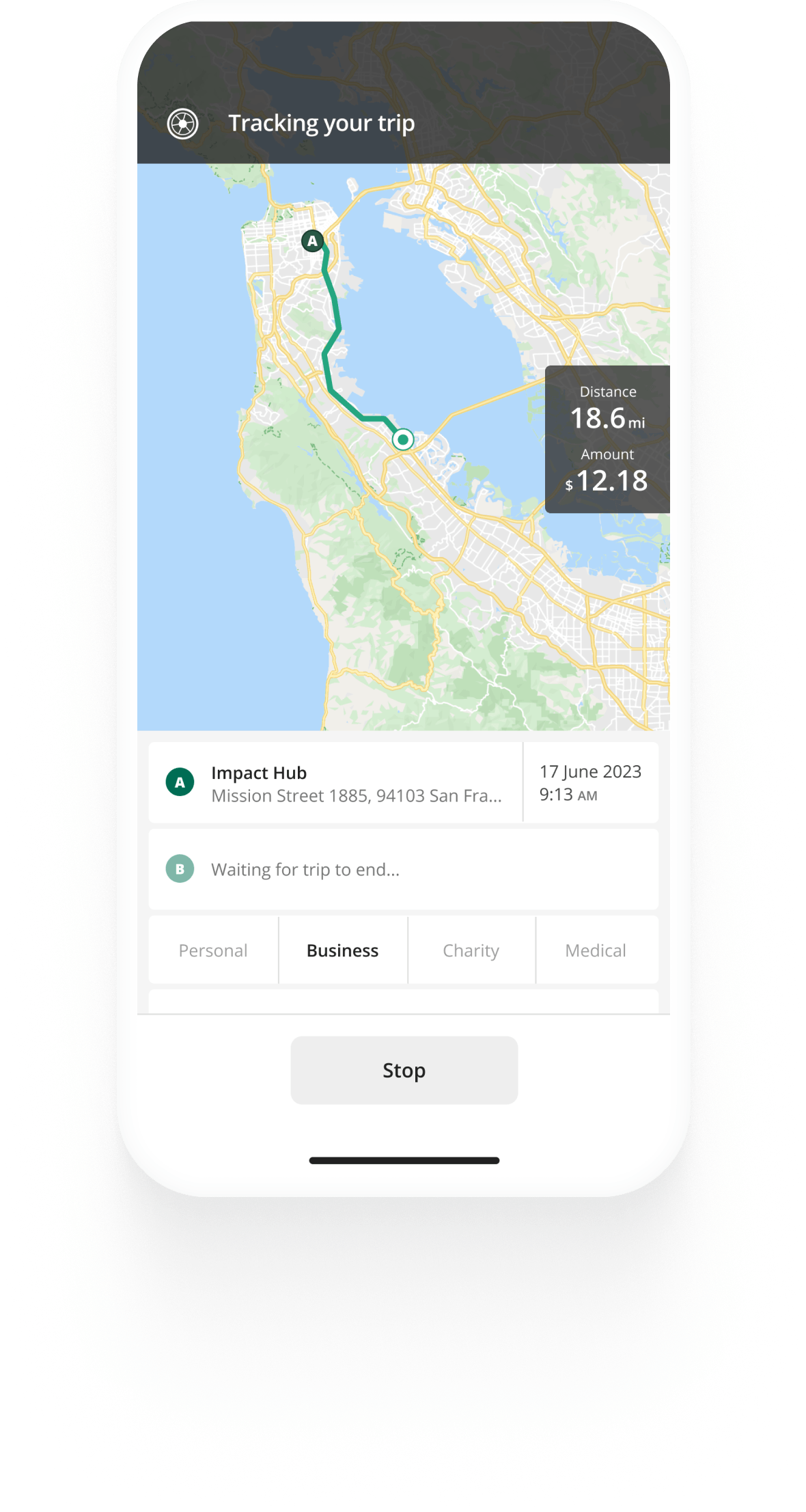

Mileage tracking made easy
Trusted by millions of drivers
Automate your logbook Automate your logbook

Automatic mileage tracking and IRS-compliant reporting.
Get started for free Get started for freeHow pre-tax deductions work
To understand how pre-tax deductions work, it's important to first understand the components of income:
Gross Income: This is your total earnings before any deductions, such as taxes or insurance premiums.
Taxable Income: This is the portion of your gross income that is subject to taxation.
By opting for pre-tax deductions, you effectively lower your taxable income, thereby reducing the portion of your earnings that is liable to be taxed. This can lead to significant savings, especially for individuals who utilize various pre-tax options wisely.
Note that the rules regarding pre-tax deductions may change each year. Make sure to see updated tax information. Below, see deductions that currently can be pre-tax deducted.
Common pre-tax deductions
Retirement contributions
Participating in employer-sponsored retirement plans, like a 401(k) or 403(b), allows employees to contribute a portion of their salary before taxes. These contributions grow tax-deferred until withdrawal during retirement.
Healthcare and Flexible Spending Accounts (FSAs)
Employers often offer health insurance plans and FSAs, which enable employees to set aside pre-tax funds to cover qualified medical expenses like doctor visits, prescriptions, and medical supplies.
Dependent care assistance
Some employers provide Dependent Care Assistance Plans (DCAPs) that allow employees to allocate pre-tax dollars for eligible childcare expenses, easing the financial burden for working parents.
Transportation benefits
Commuter benefits can be pre-tax, enabling employees to allocate funds for eligible commuting expenses, such as public transportation or parking costs, thus reducing taxable income.
Other pre-tax deductions include dental and life insurance, parking permits, short- and long-term disability and more.
FAQ
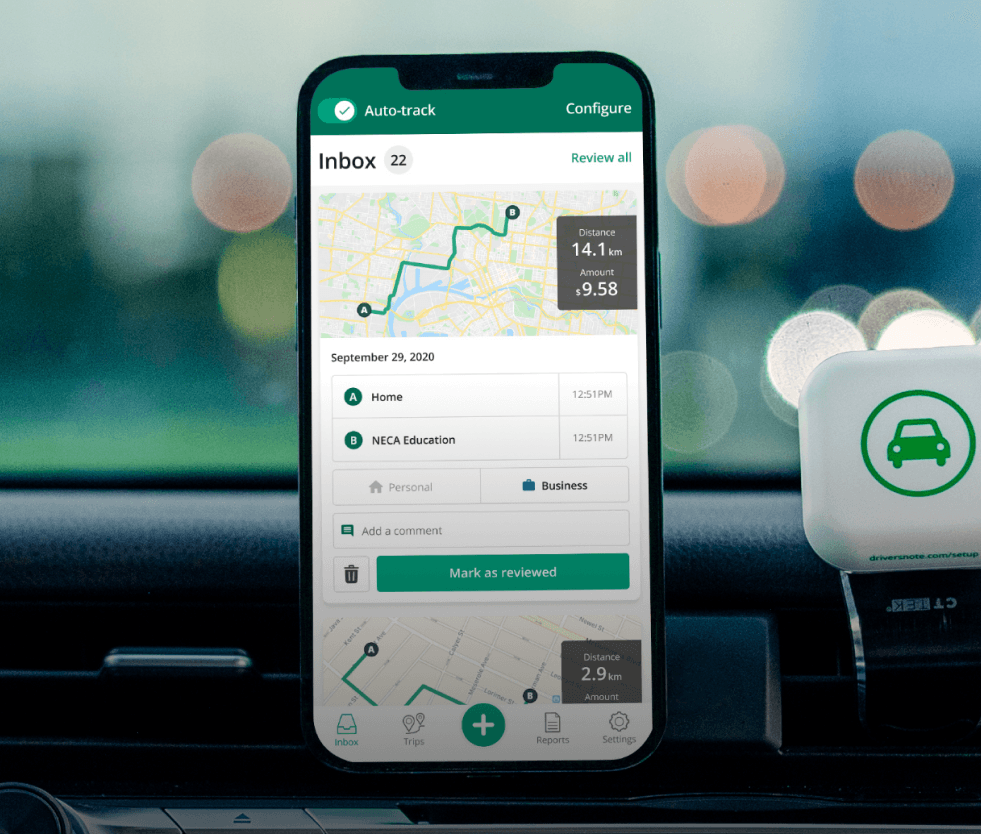
Tired of logging mileage by hand?
Effortless. IRS-compliant. Liberating.
Related posts

IRS Mileage Rate 2026
Latest update: February 20, 2026 - 2 min read
The new federal mileage rate, effective Jan. 1, 2026, has been announced with a 2.5-cent increase from 2025, at 72.5 cents per mile.

IRS Mileage Guide
Latest update: January 5, 2026 - 10 min read
Mileage reimbursement in the US — rates and rules for employees, self-employed and employers in the U.S.

DoorDash Background Check
Latest update: January 29, 2025 - 2 min read
Here’s what to expect when DoorDash conducts background checks, how Checkr works, and why it may take longer to get approved.